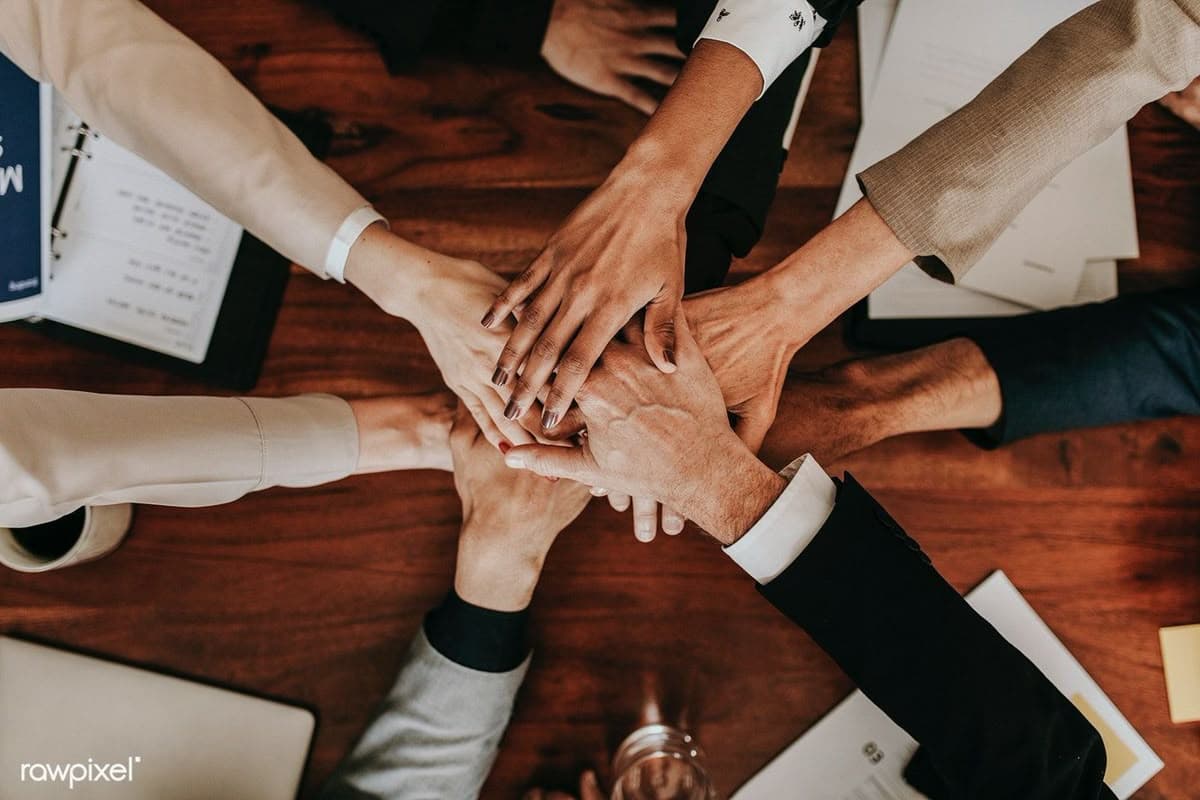
What are the components of a high performing team, and how can they contribute to the desired organizational culture? Four key components with practical application tools and culture dynamics.
What are the components of a high performing team, and how can they contribute to the desired organizational culture? Four key components with practical application tools and culture dynamics.
During a client visit last week with a community college system, I had the opportunity to work with a few campus presidents and their leadership teams. I was asked to come prepared to answer the following question:
"What are the components of a high performing team, and how can they contribute to the desired organizational culture?"
I'd like to share my response, and address four key components of a high performing team. Each component will come with a section on key application tools (thoughts on how to operationalize the component), and a culture dynamics section which addresses how each component impacts the organizational culture. Other experts and consultants may have longer or shorter lists, but I'd like to focus on the following four, which have been supported by practitioners and relevant literature:
The role of a high performing leadership team is to provide clarity of the organizational, divisional, or departmental direction.
1. Clarity of Direction. The role of a high performing leadership team is to provide clarity of the organizational, divisional, or departmental direction. This includes identifying the key strategy and the milestones that support the successful completion of that strategy. These milestones can be referred to as Key Results; that is, the results that are prioritized as most important for the organization. There should be no more than 3-5 Key Results identified. This is not to imply that leaders don't have additional results and KPIs that they are looking to deliver, what we are doing is prioritizing the most consequential results that leaders believe will have the most needed impact for the organization.
Key Application Tools:
Culture Dynamics: The organization is able to focus collective efforts on moving the needle on a prioritized set of Key Results, and all employees understand how their job impacts those results. The case for change also helps employees understand the "why." (Remember: people work hard for money, they'll work harder for a good boss, but they work hardest for a cause! What is your cause?)
Do team members feel psychologically safe to say the hard things to openly see the reality of the situation, or do they stay silent due to dysfunctional team dynamics?
2. Team Interactive Dynamics. This has to do with the interpersonal dynamics of the team culture. What are the rules of engagement for how the team interacts? Is each team member aligned to the strategy, Key Results and the case for change? Alternatively, are you finding that the messaging is mis-aligned among team members based upon siloed functions (operational, financial, legal, etc.)? Do team members feel psychologically safe to say the hard things to openly see the reality of the situation, or do they stay silent due to dysfunctional team dynamics? Can a team hash out issues behind closed doors in team meetings, and then align around the leader's final decision (the principle being: "you can have your say, but you won't always have your way")? What's the capacity of each team member to advocate the team position to the organization as if it were their own, even if they disagreed with the final decision?
Key Application Tools:
Culture Dynamics: Employees usually have a general knowledge of the dynamics of their executive leadership teams, and the organizational culture will usually reflect those dynamics. For example, I've found that — where executive teams have major silos and infighting for resources, you'll also find a divisive organizational culture that is highly political; there is a lot of posturing, gotcha games, and even popularity contests where the right kind of squeaky wheel wins the day. Leadership teams that model healthy constructive team dialogue, and are able to address hard issues with respect for one another (but still advocating various perspectives), enable more open cultural environments, innovative thinking, and seamless cross-functional collaboration.
A strain in any relationship between teams, impacts a team's ability to accomplish their Key Results, and in effect, damages their ability to be high performing.
3. Stakeholder Dynamics: High performing teams also engage and collaborate effectively with critical stakeholders across the organization. Does the team brand have a good reputation with key stakeholders? For example, in a manufacturing company, how well does shipping and receiving work with the manufacturing team to ensure that raw materials are delivered to the shop floor on time? In higher education, how well does faculty work with the facilities department to make timely changes and adjustments to classroom environments? A strain in any relationship with stakeholders impacts a team's ability to accomplish their Key Results, and in effect, damages their ability to be high performing.
Key Application Tool:
Culture Dynamics: Teams who create the wrong experiences for external stakeholders (ie. other teams) create contradictions and inefficiencies in the culture. There are times when such teams can create big damage to the organization if these behaviors are not addressed in a timely manner. In such situations, other organizational departments tend to develop inefficient workarounds to circumvent a dysfunctional team; which can result in wasted time, energy, and valuable resources.
If a leadership team is not learning and growing, you can be pretty sure that they are allowing the organization to stagnate.
4. Knowledge and Skill Development: Hawkins (2017) mentions team learning as a critical component for high performing teams. How well is a team learning, developing capacity, and growing together? How effective are team members at integrating and operationalizing their learning into the systems and structures of the organization? Are they coordinating and consolidating functions to simplify processes? If a leadership team is not learning and growing, you can be pretty sure that they are allowing the organization to stagnate! Placing a priority on continued learning and development builds capacity for leadership teams, and the organization is the virtuous benefactor of that learning.
Key Application Tools:
Culture Dynamics: An organization fosters a collective ability to improve systems, structures, and processes when priority is placed on team development and learning. Teams also develop the capacity to be more agile and flexible in responding to industry changes and developments. Building the capability of the senior team will virtuously build that capability of the organization.
High performing teams impact the very fabric of culture, because organizational culture is a collective manifestation in all teams that operate within the organization. Leaders must ever remember that any culture change effort is a leader-led approach. Therefore, leadership teams that are able to address these four components will be well on their way to significantly improving the performance outcomes of not only their leadership team, but the entire organization.
Reference: Hawkins, P. (2017). Leadership Team Coaching, KoganPage: New York, NY.
The essential insights from this article.
Clarity of Direction — identify 3-5 Key Results and the compelling case for change
Team Interactive Dynamics — foster psychological safety and mutual accountability
Stakeholder Dynamics — build cross-functional feedback and collaboration
Knowledge and Skill Development — prioritize continuous team learning and growth
Explore more insights on leadership, transformation, and organizational effectiveness. Each piece is designed to challenge your thinking and provide practical frameworks for navigating complexity.
