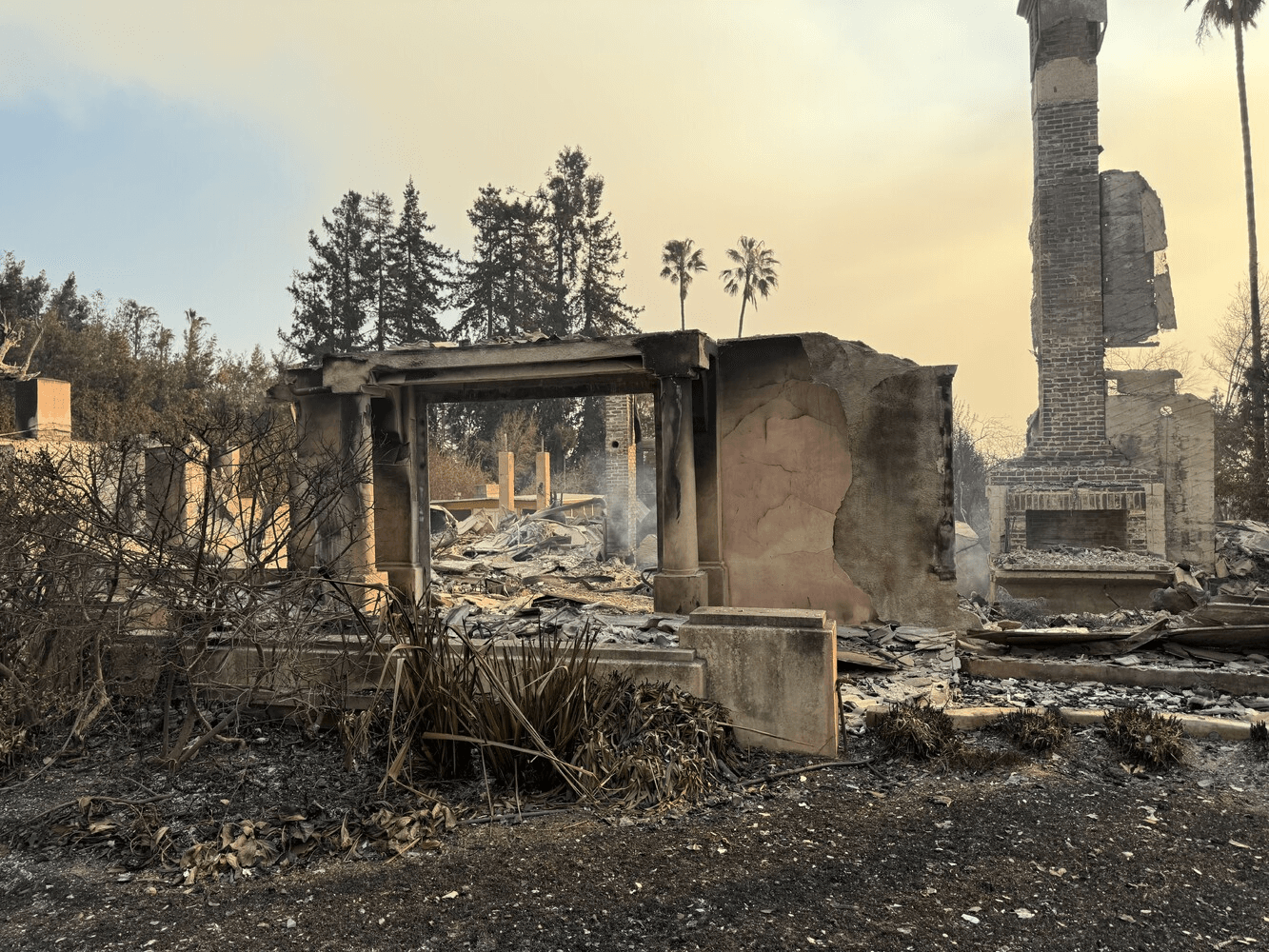
On January 9, 2025, my childhood home in Altadena, California was gone. Not damaged. Not partially standing. Gone. What surprised me most was not the absence of pain, but the absence of suffering taking hold.
On January 9, 2025, my childhood home in Altadena, California was gone. Not damaged. Not partially standing. Gone. What surprised me most was not the absence of pain, but the absence of suffering taking hold.
On December 26, 2024, my family gathered in front of my childhood home in Altadena, California.
Just days later, on January 9, 2025, that same house was gone.
Not damaged. Not partially standing. Gone.
This was the home I had moved back into during COVID to help care for my mother as dementia began to take hold. During that time, we stored our family's life there. Photos. Memorabilia. Clothes. Mementos from decades of living. The physical record of our past.
Three years ago, we relocated to Kansas City. Our history remained at that house with the intention of bringing it to us in time.
Time ran out.
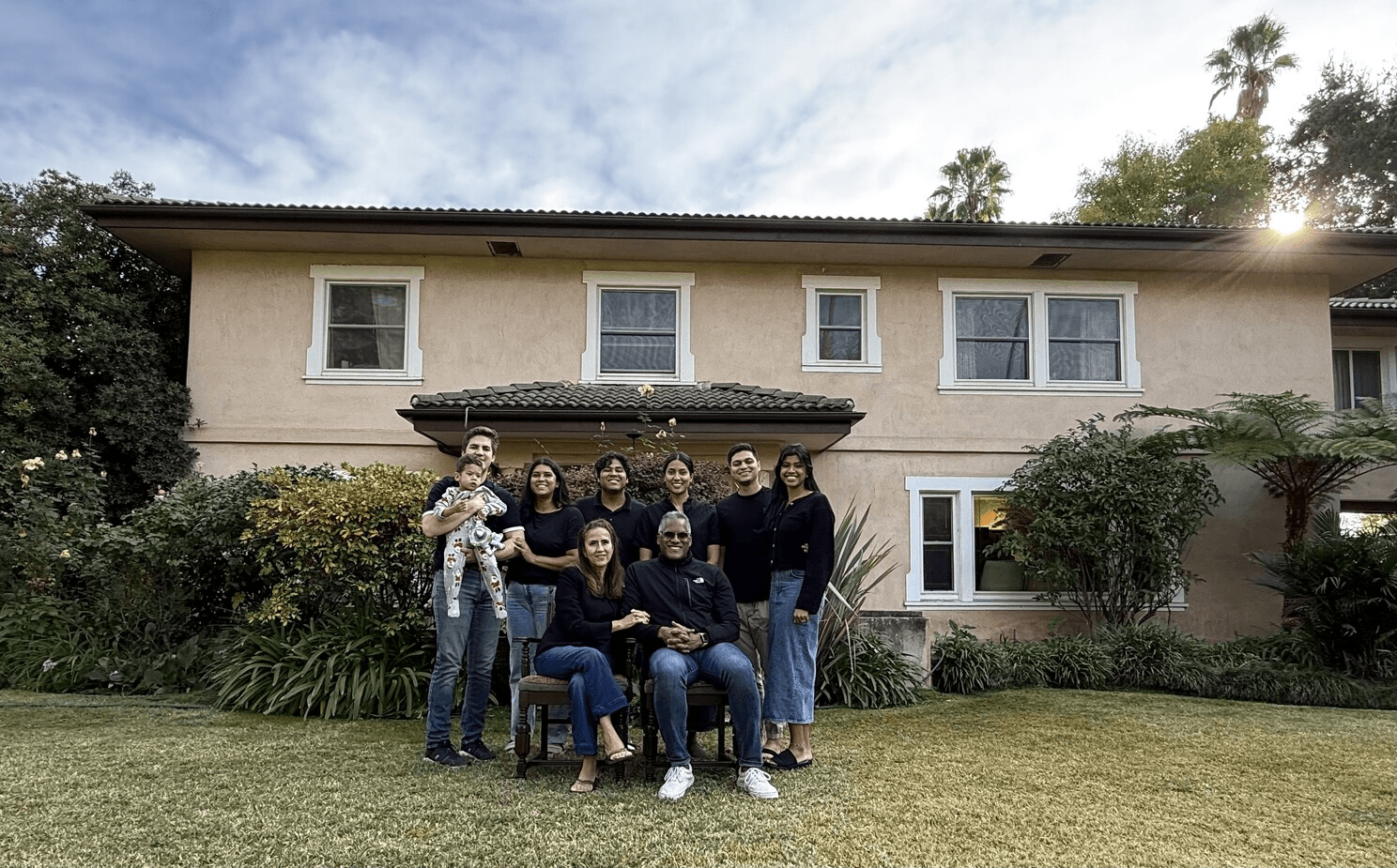
A home that held our family's memories and sense of continuity.
Here's what surprised me most.
I felt the pain of the loss, but I did not suffer. At least not in the way I expected.
There were moments when my mind reached for suffering. Moments when a story tried to form about what was lost, what it meant, or what should not have happened. But those moments passed quickly.
The pain was real. The suffering did not stick.
That experience sharpened something I had been reflecting on for a long time.
Pain and suffering are not the same thing.
What I have come to see is that most suffering is not caused by events themselves, but by a very specific mental reflex.
I have come to think of this as the suffering reflex.
When pain arises, the mind reacts automatically. It tightens. It argues with reality. It assigns meaning, projects forward in time, and reaches for control, believing this will restore safety.
This reflex is not malicious. It is protective.
But it is also limited.
Under pressure, the mind does not become more creative. It becomes more repetitive. It reaches for familiar strategies that have worked before, or at least seemed to work. Control. Urgency. Blame. Certainty. Identity protection.
These strategies do not resolve pain. They multiply it.
They turn a moment of loss into an ongoing inner battle. They transform grief into collapse, uncertainty into panic, and change into threat.
In other words, they turn pain into suffering.
What surprised me standing in the ashes was not the absence of pain, but the absence of the suffering reflex taking hold. The mind reached for it briefly, but it did not dominate.
Without the demand that reality be different, pain was allowed to move. And because it could move, it did not harden into suffering.
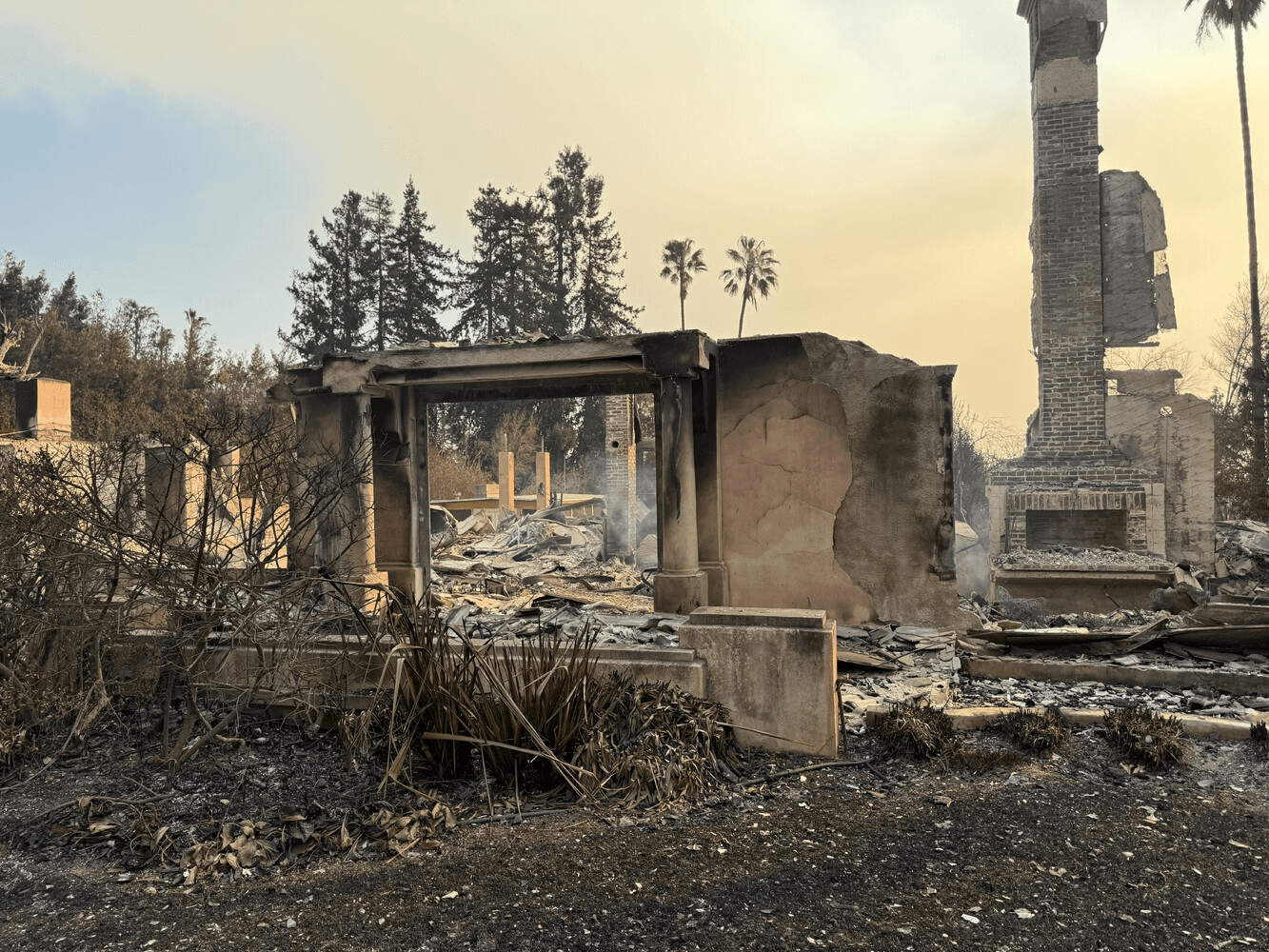
The same front of the house after the fire. Everything physically gone.
Pain is part of life.
Loss hurts. Change hurts. Uncertainty hurts.
Pain is immediate, human, and unavoidable.
Suffering, however, is different.
Suffering is not caused by loss itself. Suffering is caused by our psychological attachment to the meaning we assign to loss.
It is not just what happened. It is what we tell ourselves about what happened.
And increasingly today, it is not even what has happened at all.
It is what we fear might happen.
We are living in a moment of widespread, ambient fear.
Layoffs. Government shutdowns. Entire industries reshaping in real time. Artificial intelligence disrupting roles, identities, and livelihoods.
For many people, the suffering has not come from what they have lost yet.
It is coming from what they imagine they are about to lose, and what they believe that loss would say about them.
Much of today's suffering is not rooted in reality. It is rooted in projection.
Much of our suffering today is not caused by what has happened, but by our psychological attachment to what we fear might happen and what we believe that would mean about us.
That fear can be as painful as any actual event. Sometimes more so.
There is a common instinct when pain arises.
This should not be happening.
It feels moral. Responsible. Even protective.
But internally, that argument locks us into a very narrow mental space.
When we insist that reality should be different than it is, we reduce our available options. We shrink our capacity to respond wisely. We move from creativity into control. From openness into fear.
This does not mean pretending pain does not exist. It does not mean rewriting history. It does not mean passivity or resignation.
It means telling the truth about what is, without adding psychological violence on top of it.
When we stop arguing with reality, something unexpected happens.
Our capacity to respond expands.
From that space, responses are no longer driven by panic, identity protection, or imagined futures. They arise instead from clarity, compassion, and grounded intelligence.
Standing in front of the remains of my childhood home, something became very clear to me.
Everything that was lost was temporary. Everything that mattered was still intact.
The pain was honest. The suffering was optional.
When suffering did arise, it came with a story.
When that story dropped, what remained was grief without collapse. Sadness without despair. Love without attachment.
That distinction matters, not just personally, but professionally.
Organizations are moving through massive change. For many people, the displacement is real. For others, it exists mainly in anticipation.
When leaders fail to recognize the suffering reflex, they unintentionally amplify fear.
But when leaders understand this distinction, they create something rare.
Psychological steadiness in the midst of change.
That steadiness does not eliminate pain. It eliminates unnecessary suffering.
And from that place, people adapt faster, think more clearly, and lead with far greater humanity.
Pain is life happening. Suffering is the mind arguing with life.
The moment we stop adding stories to pain, something opens.
Not apathy. Not indifference.
But a deeper, quieter strength.
That strength allows us to meet loss, disruption, and uncertainty without losing ourselves.
The essential insights from this article.
Pain and suffering are not the same thing — pain is immediate and unavoidable, suffering is caused by our psychological attachment to the meaning we assign to loss
The suffering reflex multiplies pain by arguing with reality, reaching for control, and projecting imagined futures
Much of today's suffering is not rooted in reality but in projection — what we fear might happen and what we believe that would mean about us
When we stop arguing with reality, our capacity to respond expands — from that space, responses arise from clarity, compassion, and grounded intelligence
Explore more insights on leadership, transformation, and organizational effectiveness. Each piece is designed to challenge your thinking and provide practical frameworks for navigating complexity.
