
Paris Edition - Part 3: Notre-Dame Cathedral
Notre-Dame teaches us that the highest form of leadership builds something that does not need the leader to survive.
Paris Edition - Part 3: Notre-Dame Cathedral
Notre-Dame teaches us that the highest form of leadership builds something that does not need the leader to survive.
Leadership Lessons Without Borders: Paris Edition (Part 3)
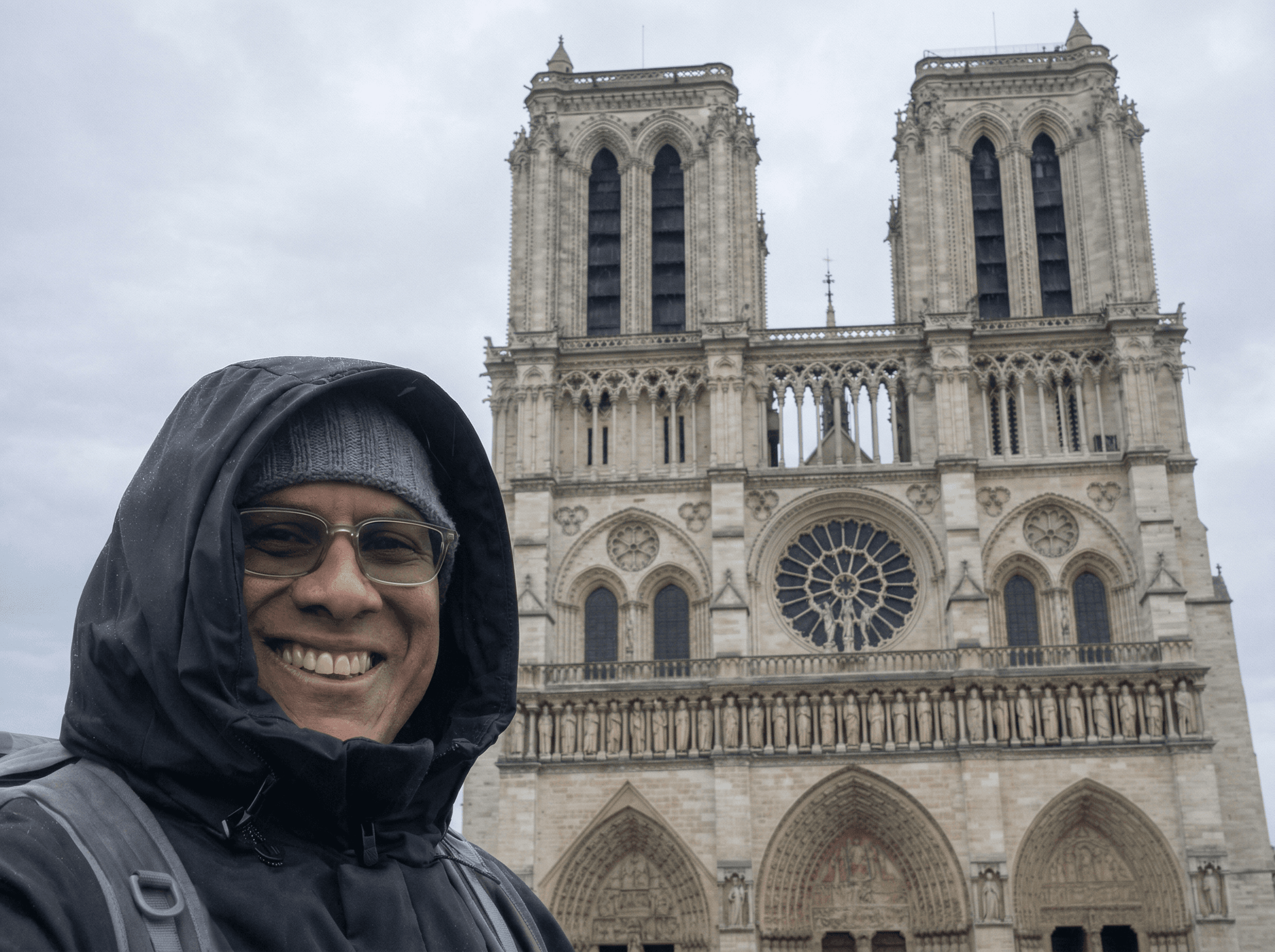
As part of today's itinerary, my wife, our oldest daughter, and I visited the cathedral of Notre-Dame.
Walking into Notre-Dame this time felt like closing a long-open loop.
Decades ago, during my college years, I spent time in France studying the French language. On one brief excursion, I passed through Paris and remember standing outside the cathedral, looking up at its façade and taking it in from the street. But I never went inside. Life moved quickly then. Paris was a stop, not a stay.
So this visit, years later, felt like checking off a quiet bucket-list item I didn't even realize I had been carrying.
But once inside, something unexpected happened.
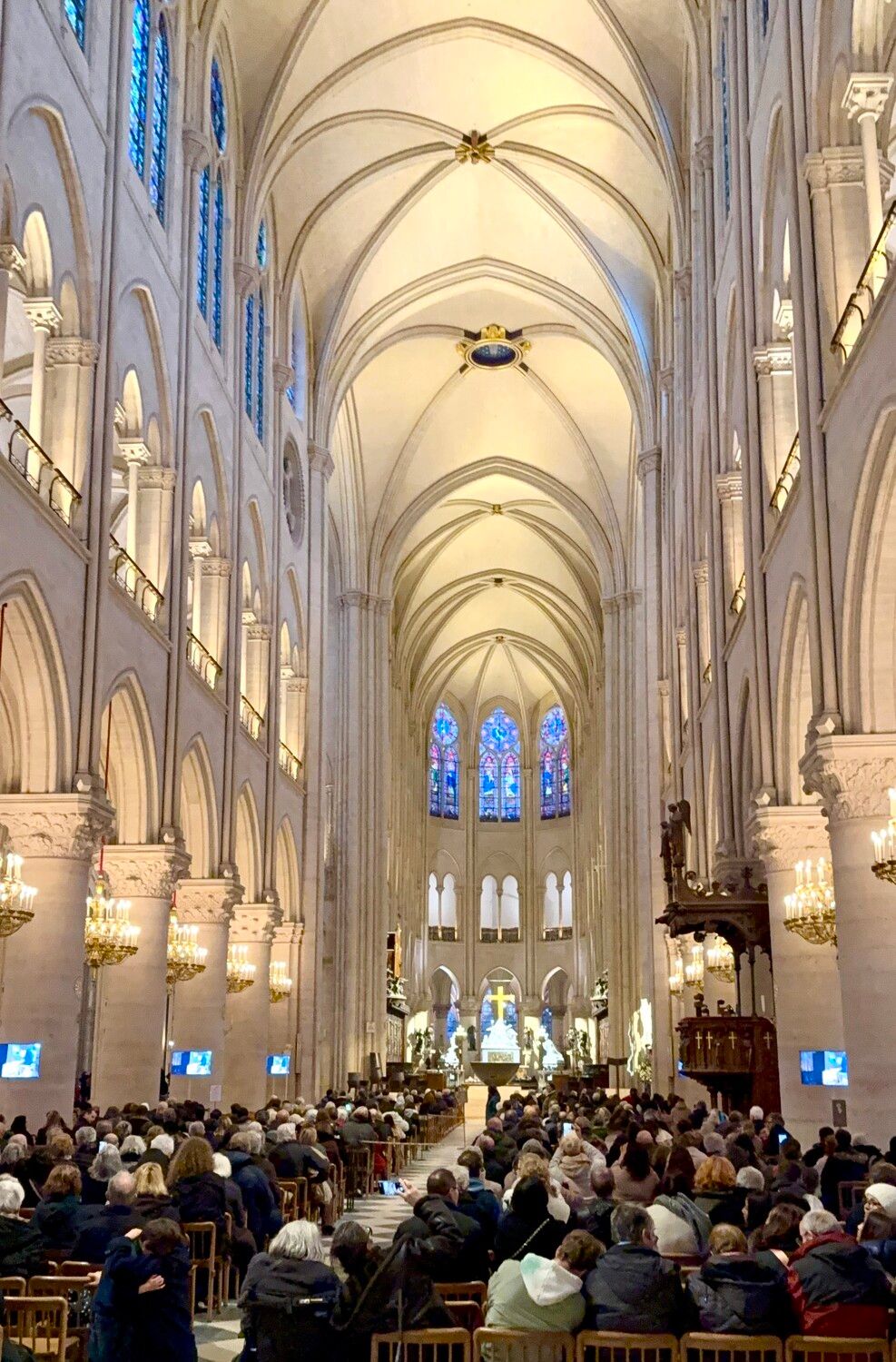
As organ music filled the echoing nave, personal musical memories came alive. I caught myself humming. Not hymns I had learned in church, but songs from my years as a professional tenor, back when concert and opera singing were a central part of my life. What surfaced instead was Alan Menken's score from Disney's The Hunchback of Notre-Dame.
"Out There," sung by Quasimodo in the movie, had once been part of my repertoire. And as I passed beneath the great circular stained-glass window, I found myself humming "God Help the Outcasts."
If you grew up with that film, you know exactly what I mean. And yes, you are probably humming along right now. You're welcome 🙂
It was oddly fitting.
Notre-Dame has always held multiple meanings at once. Sacred and cultural. Solemn and human. Reverent and imperfect. That tension is part of its power.
And it is also where the leadership lesson begins.
Built for Continuity, Not Credit
Notre-Dame took nearly two centuries to build.
No single leader saw its completion.
No single generation owned it.
No architect signed it as a personal triumph.
Construction began in 1163 and continued for almost 200 years. The people who laid its foundations knew with certainty that they would never see the finished cathedral. Their names would not be remembered. Their faces would not be carved into stone.
And yet, they built anyway.
For perspective, the entire history of the United States is only a few decades longer than the time it took to build Notre-Dame. It would be the equivalent of George Washington helping lay the foundation, fully aware he would never see it completed, and knowing that the people alive today would be the ones to witness the final stones being set in place.
This is leadership stripped of ego.
In a modern world that celebrates speed, visibility, and personal imprint, Notre-Dame stands as a quiet rebuttal. It was not built to validate its builders. It was built to serve generations they would never meet.
That is a radically different definition of success.
The Cathedral as a Moral Timeline
Notre-Dame has witnessed nearly a millennium of human contradiction.
It stood during coronations and executions.
During moments of profound devotion and acts of political violence.
It was damaged, neglected, repurposed, and nearly destroyed.
During the French Revolution, it was stripped of religious symbolism and rededicated to "Reason." Statues were beheaded. Meaning was contested. Purpose was rewritten.
And still, the structure endured. Not because it was rigid, but because it was rooted.
"True leadership does not depend on ideal conditions. It survives contact with chaos. It adapts without abandoning its center.
The Fire That Revealed the Truth
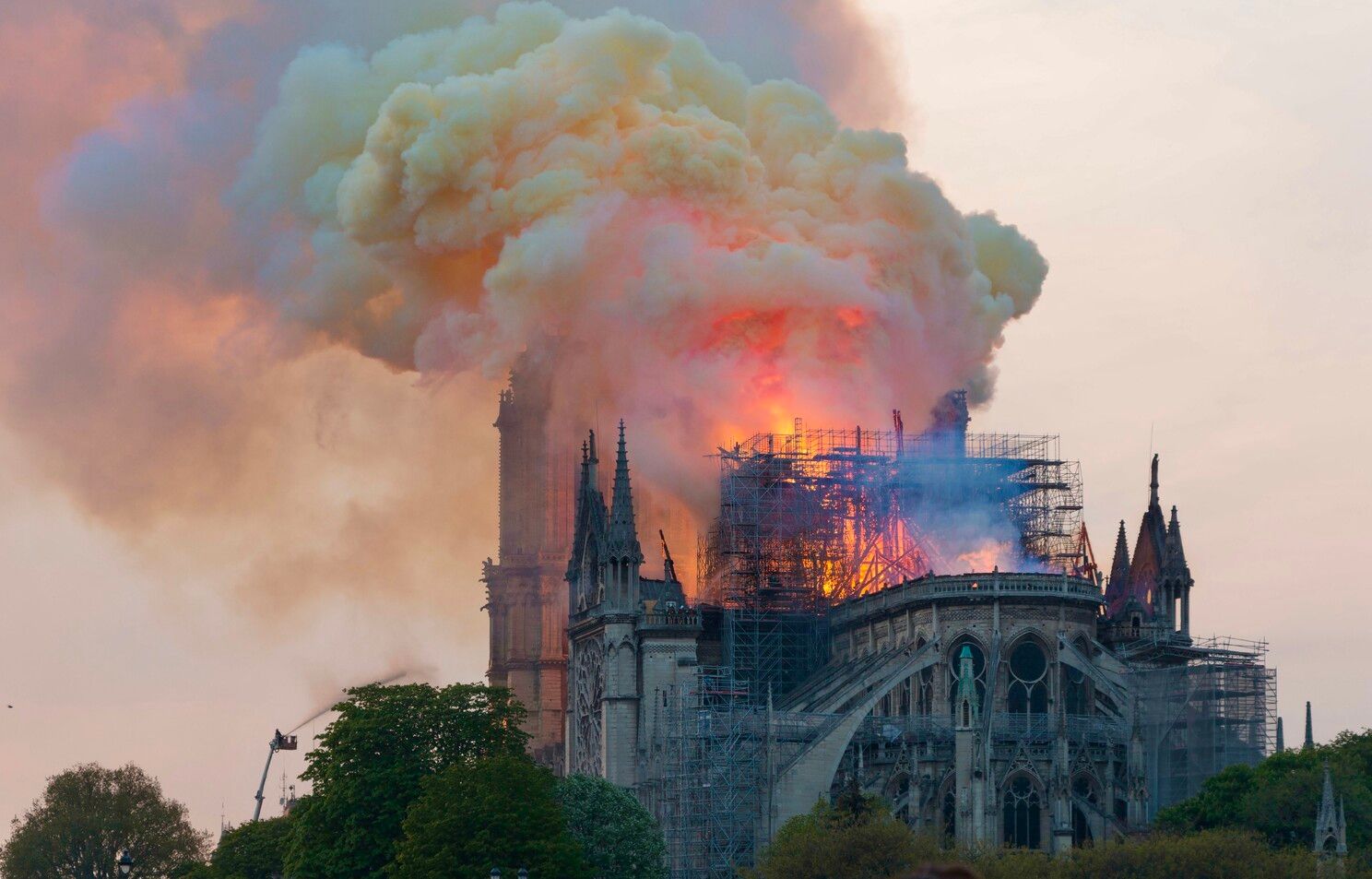
When Notre-Dame burned in 2019, something remarkable happened.
The world paused.
Not just Parisians. Not just Catholics. People across cultures, nations, and belief systems felt the loss personally. Donations poured in. Craftspeople revived ancient techniques. Time slowed in service of restoration.
Why?
Because Notre-Dame had become bigger than belief, politics, or ownership.
It belonged to humanity.
That is the ultimate leadership test.
Does what you build matter enough that others will carry it forward when you cannot?
Leadership Lesson
The highest form of leadership builds something that does not need the leader to survive.
"Legacy is not personal visibility. It is institutional continuity. It shows up in systems that work without applause, in values that hold without constant enforcement, and in cultures that remain coherent through leadership transitions rather than unraveling because a single individual is no longer present.
Notre-Dame does not ask us to admire the builders. It asks us to become like them. To build with patience and humility. To hold the long horizon in mind while still managing the demands of the short term. And then, when the work is strong enough to stand on its own, to step out of the way.