
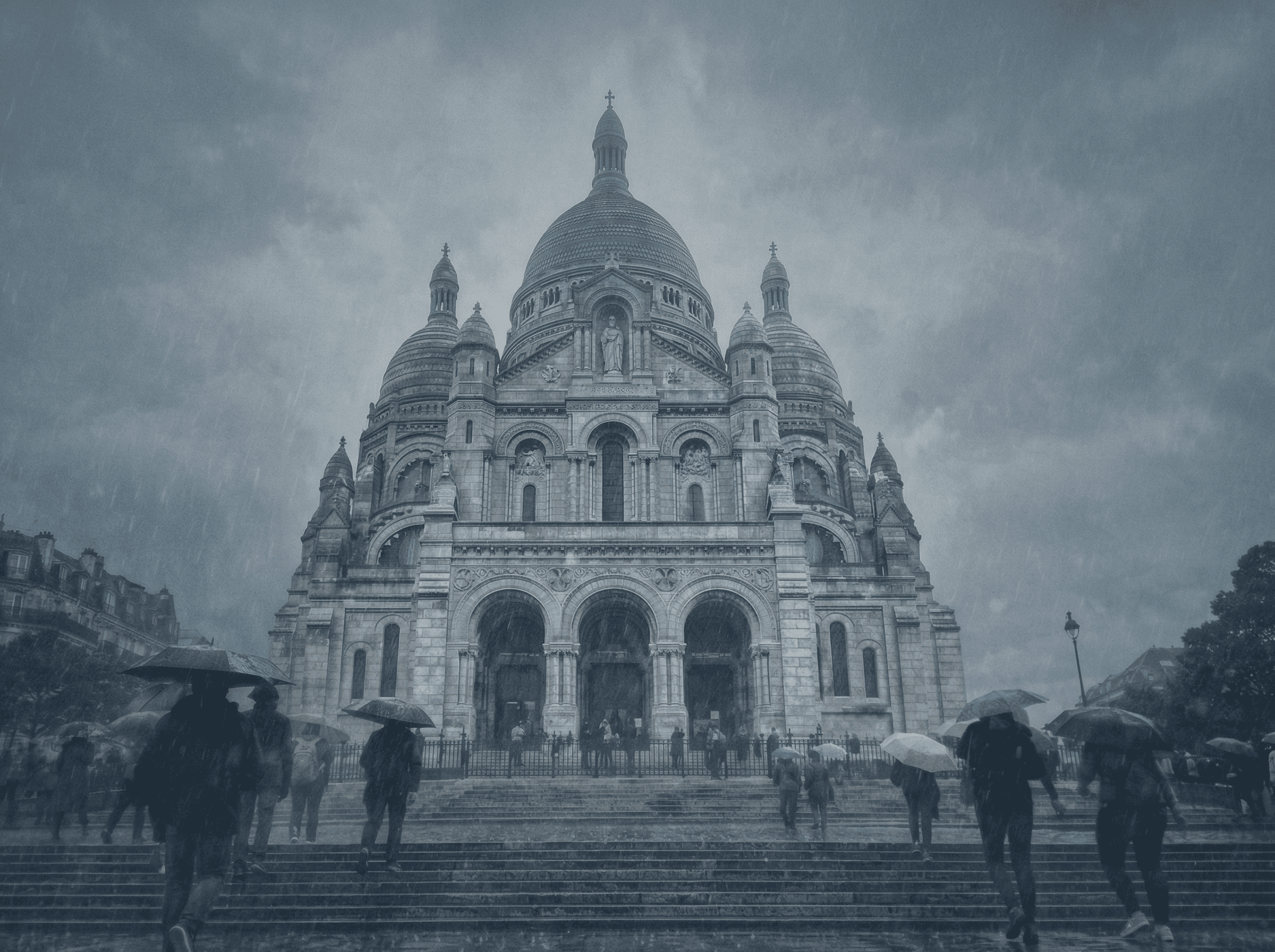
Paris Edition - Part II: Sacré-Cœur and the Cost of Delayed Acceptance
Sacré-Cœur stands as a reminder that acceptance is often the only point from which recovery can begin.
Paris Edition - Part II: Sacré-Cœur and the Cost of Delayed Acceptance
Sacré-Cœur stands as a reminder that acceptance is often the only point from which recovery can begin.
Leadership Lessons Without Borders (Paris Edition) — Part II
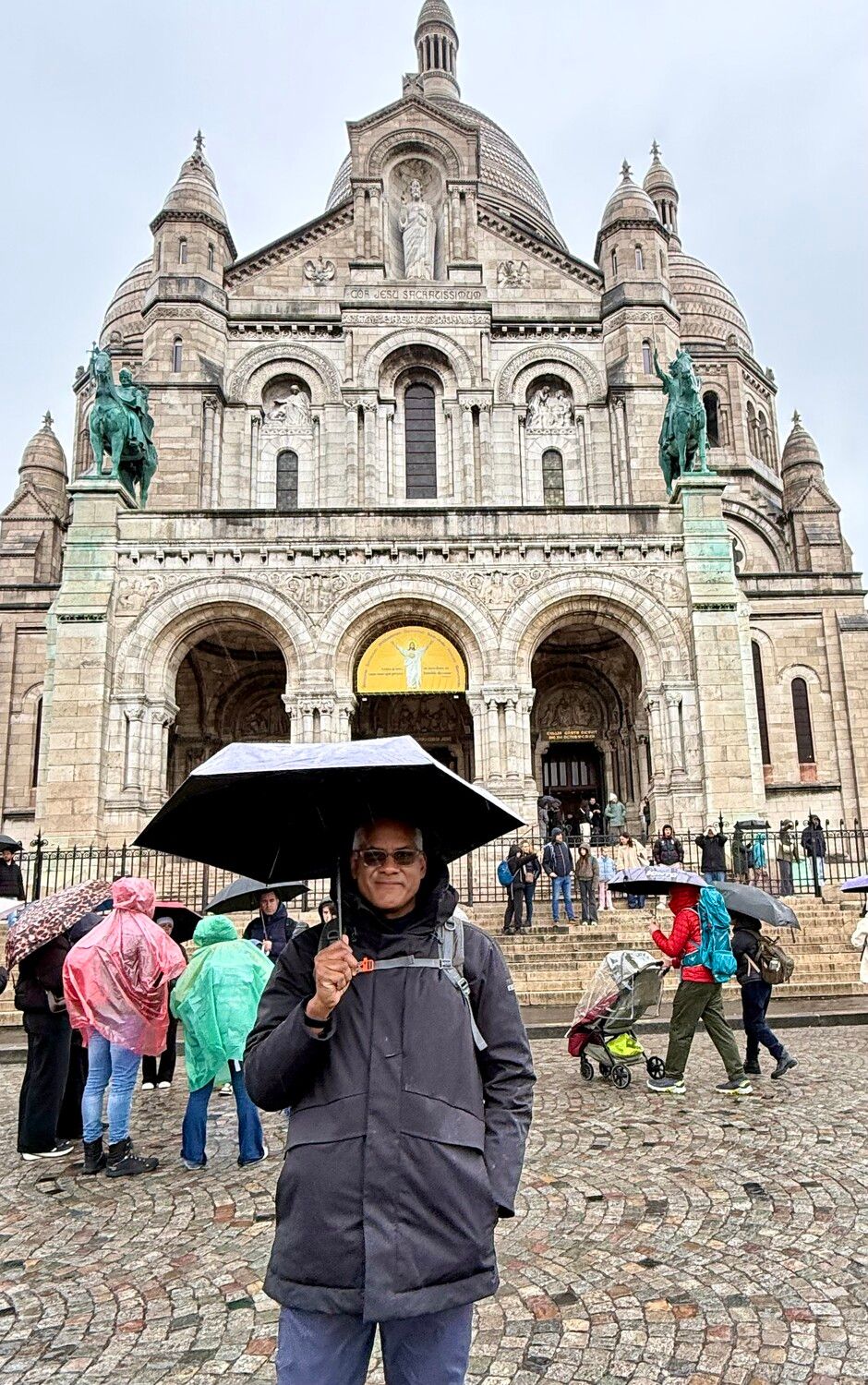
Today, I climbed the many steps of Montmartre in a cold Paris downpour to visit Sacré-Cœur.
I'll admit, the initial draw to this site was personal rather than historical. One of my guilty pleasures has been the John Wick series, and Sacré-Cœur appears prominently in the final sequence of the final film, John Wick: Chapter 4. Simple curiosity pulled me up the wet, slippery hill.
Standing there in the rain, however, it became clear that this basilica represents something far more consequential than a cinematic backdrop.
That realization sent me back into studying French history. Why was this monument built? What conditions gave rise to it? What was happening in France at the time?
The Context Most Visitors Never See
Sacré-Cœur was not built during a period of national confidence or expansion. It emerged from one of the most destabilizing periods in modern French history.
In 1870, France was led by Napoleon III, ruler of the Second French Empire and nephew of Napoleon Bonaparte (Emperor Napoleon I). On the surface, the country appeared strong. Paris had been modernized. Industry had expanded. France still saw itself as a dominant European power.
Internally, however, France's governing structure was brittle and over-dependent on centralized authority. Power was tightly held at the top. Political legitimacy depended heavily on prestige and the outward appearance of strength. Dissent was suppressed and not tolerated.
This is where a familiar leadership pattern takes hold, one that history repeats with surprising and unfortunate regularity.
A War Chosen to Avoid Looking Weak
Napoleon III initiated the Franco-Prussian War not because France was under immediate threat, but because backing down in a diplomatic standoff with Prussia risked appearing weak at home.
The decision was driven less by confidence in France's readiness to win and more by fear of reputational loss. France chose to go on the offensive.
France assumed its military capability matched its self-image. It did not. The war was short. The defeat was decisive. Napoleon III was captured, and the Second Empire collapsed almost immediately.
"When power is highly concentrated in a single leader or office, the organization takes its emotional cues from that individual. Setbacks are not absorbed across the organization. A leader's reaction becomes the organization's reaction.
When Loss Is Not Accepted, It Turns Inward
The military defeat alone did not produce Sacré-Cœur. What followed mattered more.
After the collapse of the empire, France found itself in a vacuum of authority. The provisional government moved to Versailles. Paris, already exhausted from siege and deprivation, felt abandoned, blamed, and ignored.
There was no decisive course of action. The government did not clearly reset strategy, step aside, or openly acknowledge the loss. Instead, authority drifted, resentment grew, and accountability remained unclaimed.
The result was the Paris Commune.
Paris turned on itself. Armed factions, fear, ideology, and resentment collided. The suppression of the Commune during what became known as the Bloody Week resulted in the deaths of tens of thousands.
This was not simply political extremism. It was unresolved loss expressing itself as internal violence.
The Vow Came After the Bloodshed
Only after the defeat, the collapse, and the civil bloodshed did a group of French citizens make a national vow of atonement.
Not to reclaim dominance.
Not to project strength.
Not to reassert control.
They believed the country required moral repair before political recovery.
Sacré-Cœur was the physical expression of that conviction.
It was funded by public subscription. Built slowly over decades. Controversial from the beginning. And intentionally oriented toward humility rather than triumph.
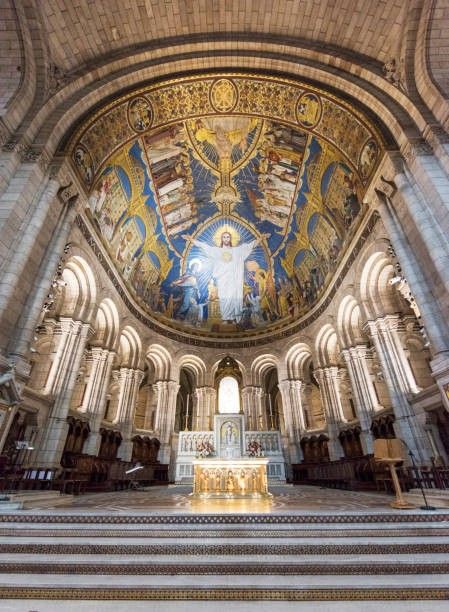
Inside the basilica, the dominant image is not conquest or authority. It is an exposed, wounded heart.
The Leadership Lesson
In my coaching work, I often tell leaders that when they find themselves in untenable situations, there are only three viable choices:
- Change the situation.
- Separate yourself from the situation.
- Accept the situation wholly and completely, without blame or guilt.
Any other choice is not strategic. It is choosing indefinite suffering.
France delayed choosing any of these paths. The cost of that delay was paid internally. Sacré-Cœur represents what came only after national acceptance finally occurred.
"Outcomes are neither heroes nor villains. They are messengers. Organizations suffer not because they lose, but because they refuse to listen.
Missed targets, lost market share, restructuring, or strategic resets are not failures. They are information. When leaders resist that information, internal conflict replaces learning, and recovery slows unnecessarily.
Some organizations respond to disappointing outcomes by managing perception through messaging rather than addressing what actually needs to change.
Standing on the Hill
Sacré-Cœur is not a monument to power. It is a monument to the moment when denial ended.
It stands as a reminder that acceptance is not weakness. It is often the only point from which recovery can begin.
Some organizations respond to setbacks by doubling down on reassurance and narrative. Others pause long enough to confront reality, absorb what has happened, and repair what is broken beneath the surface.
History tends to remember which response lasts.